

Scientists discover why muscles lose strength with age
Researchers from the University of Copenhagen have identified a mechanism that may explain age-related muscle weakening. The findings were published in the journal Nature Aging.
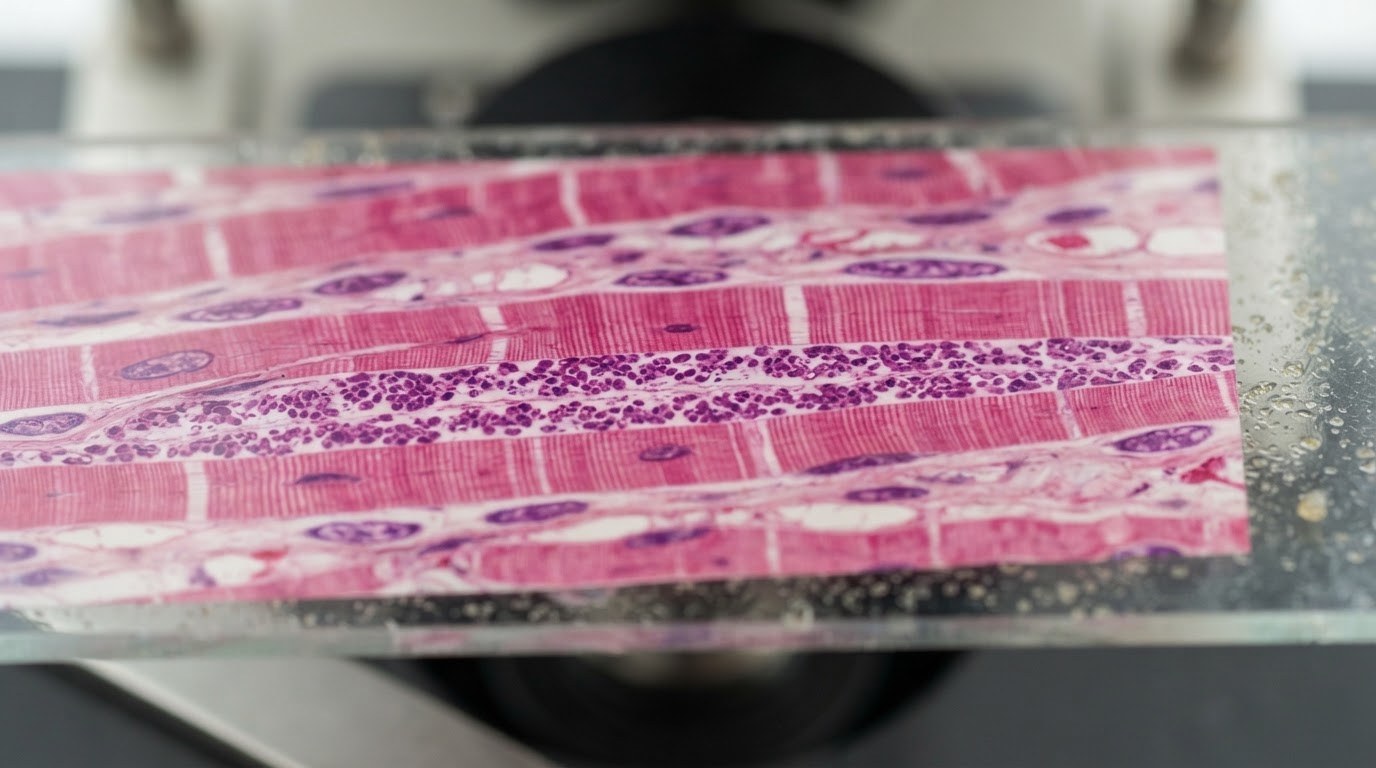
Scientists have found that as people age, the level of cardiolipin—a fatty molecule essential for the normal function of mitochondria, which provide cells with energy—decreases in muscle cells.
When cardiolipin is deficient, muscles gradually change their structure: some fast muscle fibers, responsible for sharp and powerful movements, acquire the properties of slow fibers. According to the researchers, this is a protective reaction that allows cells to reduce damage, though it results in a loss of muscle strength.
In experiments on mice, restoring cardiolipin levels to approximately two-thirds of the norm helped reverse signs of muscle atrophy and prevented premature death in the animals.
The scientists believe the discovery could aid in developing methods to combat age-related muscle mass loss. However, the effectiveness of this approach in humans has not yet been proven.