


Wreckage of a 2,200-year-old Roman ship reveals an unusual waterproofing method
Researchers studied the coatings of a Roman ship that sank off the coast of Croatia 2,200 years ago and found pine resin, beeswax, and pollen in them.
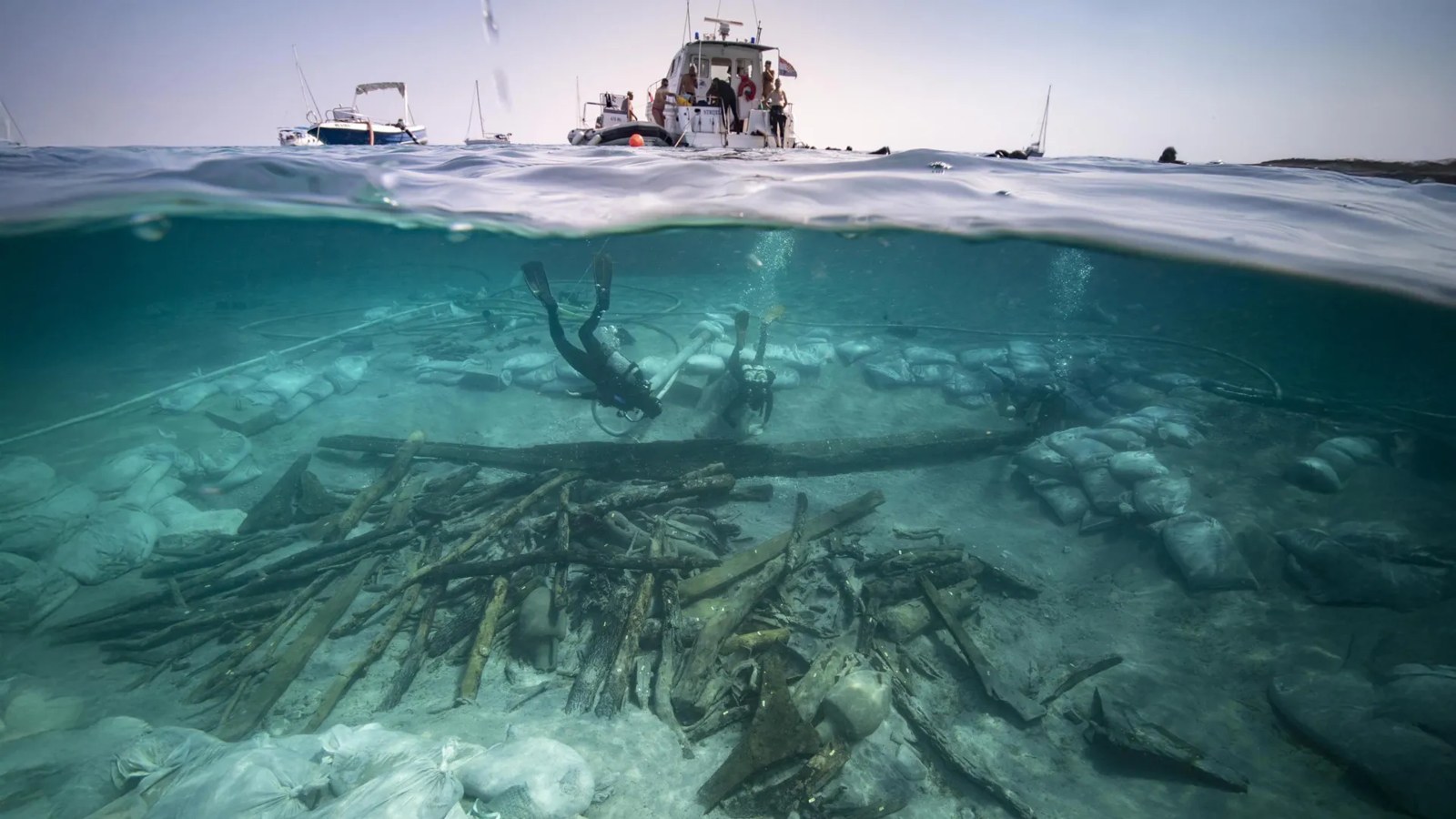
The study was conducted by specialists from France and Croatia. They analyzed 10 samples of the coating from the Ilovik-Paržine 1 vessel, dating back to the Roman Republic period. The waterproofing base was coniferous tree resin, also known as pitch. In one of the samples, a mixture of pine resin and beeswax was discovered—a composition known to ancient Greek shipbuilders as zopissa. The wax made the coating more flexible and easier to apply when hot.
Microscopic pollen grains were preserved in the resin. By their types and quantities, scientists determined the vegetation that surrounded the location where the coating was manufactured or applied. Traces included plants from Mediterranean coasts and valleys, as well as alder, ash, fir, and beech. This combination is characteristic of the northeastern Adriatic coast, where the mountains of Istria and Dalmatia are located near the sea.
Differences in the composition of the coatings indicate that the ship may have been repaired four or five times. An identical layer was found on the stern and in the central part, while three distinct batches were identified in the bow section. Previous analysis of the ballast showed that the vessel was likely built in Brundisium, modern-day Brindisi in southeastern Italy. The new data suggest that some coatings were applied near this city, while others were added in the northeastern Adriatic.