


How Lisa Su Transformed AMD into a Competitor for Nvidia
After the departure of her cousin Jensen Huang, she is now being named as a candidate for the CEO position at Nvidia
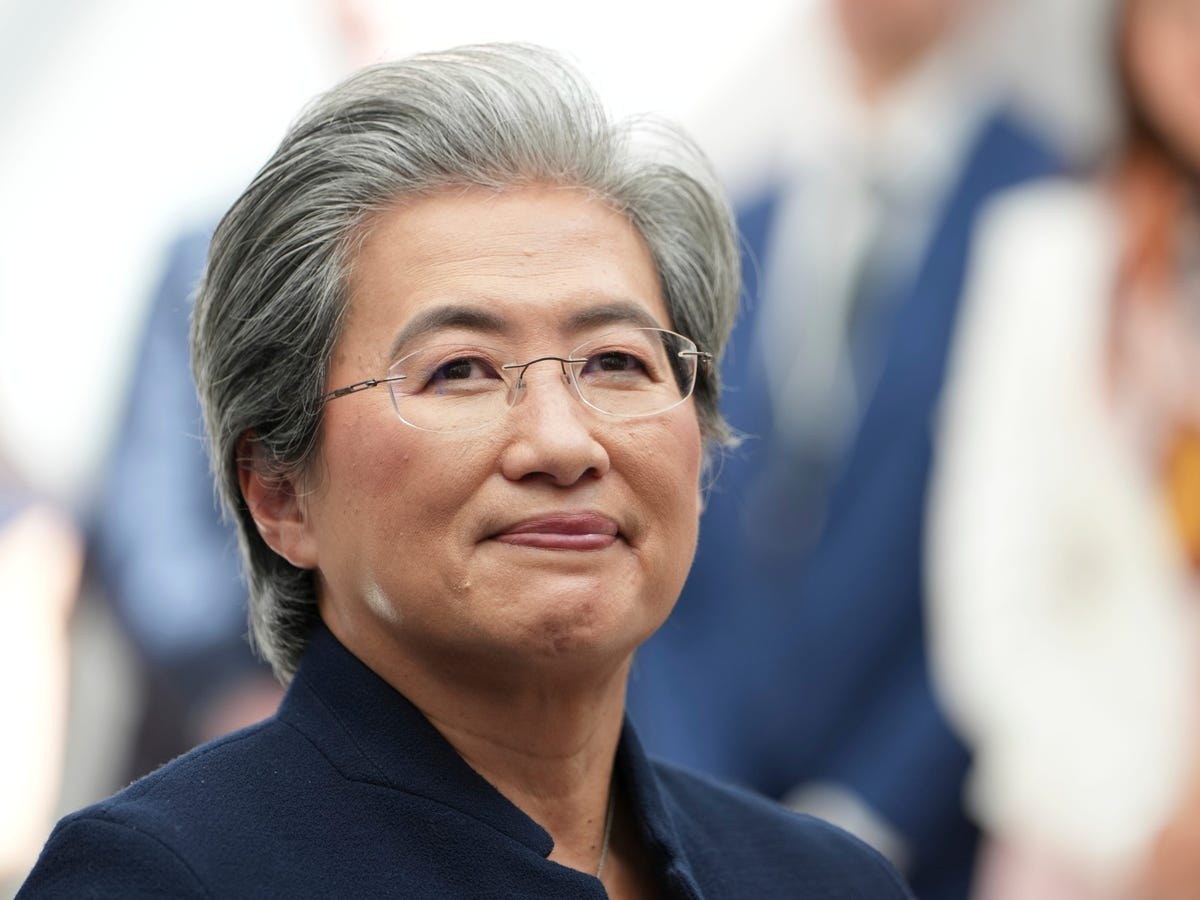
After Su joined AMD in 2012, the company's market capitalization grew from less than $2 billion to over $950 billion by Thursday. In 2014, she became the company's president and CEO.
At that time, AMD primarily earned revenue from chips for personal computers, but this market was shrinking. Su bet on semiconductors for cloud services, data centers, and gaming consoles, as well as semi-custom solutions tailored to the requirements of individual clients. This approach helped the company secure contracts to produce chips for the PlayStation 4 and Xbox One.
The Ryzen processors bolstered AMD's position in the consumer market, while EPYC strengthened its presence in the server segment. These solutions are used by companies with high demand for cloud services, including Amazon, Microsoft, and Google Cloud. In 2018, AMD introduced the world's first 7-nanometer data center graphics processors.

Su and Huang are cousins: Su's maternal grandfather was the older brother of Huang's mother. They immigrated to the U.S. from Taiwan as children but did not grow up together and met later during their professional careers.
Following reports of Huang's departure from the CEO position at Nvidia, some industry observers named Su as a potential external candidate for his role. Meanwhile, AMD faces competition from Nvidia and Intel, and U.S. restrictions on chip exports to China remain volatile. In April 2025, AMD estimated revenue losses due to tightened export rules at $800 million, but in July, the restrictions were lifted, and the company announced the resumption of corresponding shipments to China.