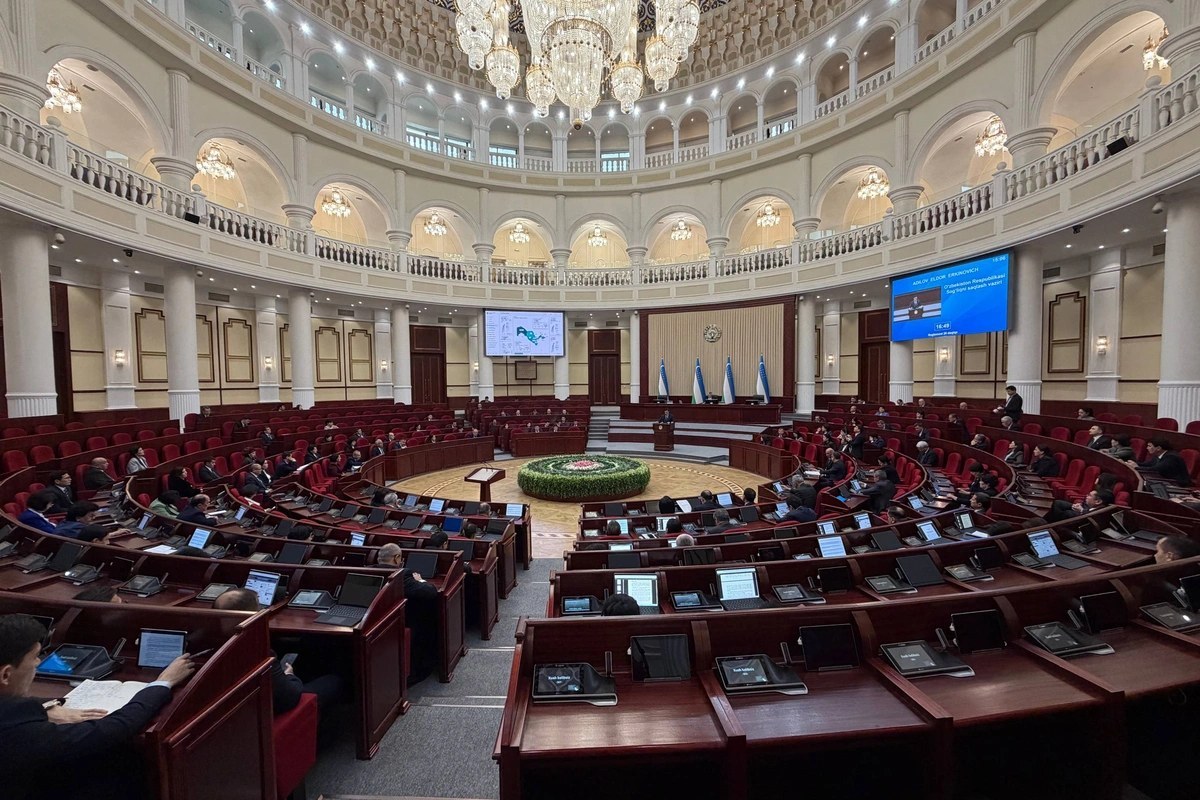


Improvement with a Caveat: What Tashkent Breathed in October
According to the Environmental Committee, the average Air Quality Index (AQI) in Tashkent decreased from 138 to 115 year-on-year in October, but air quality worsened by the end of the month.
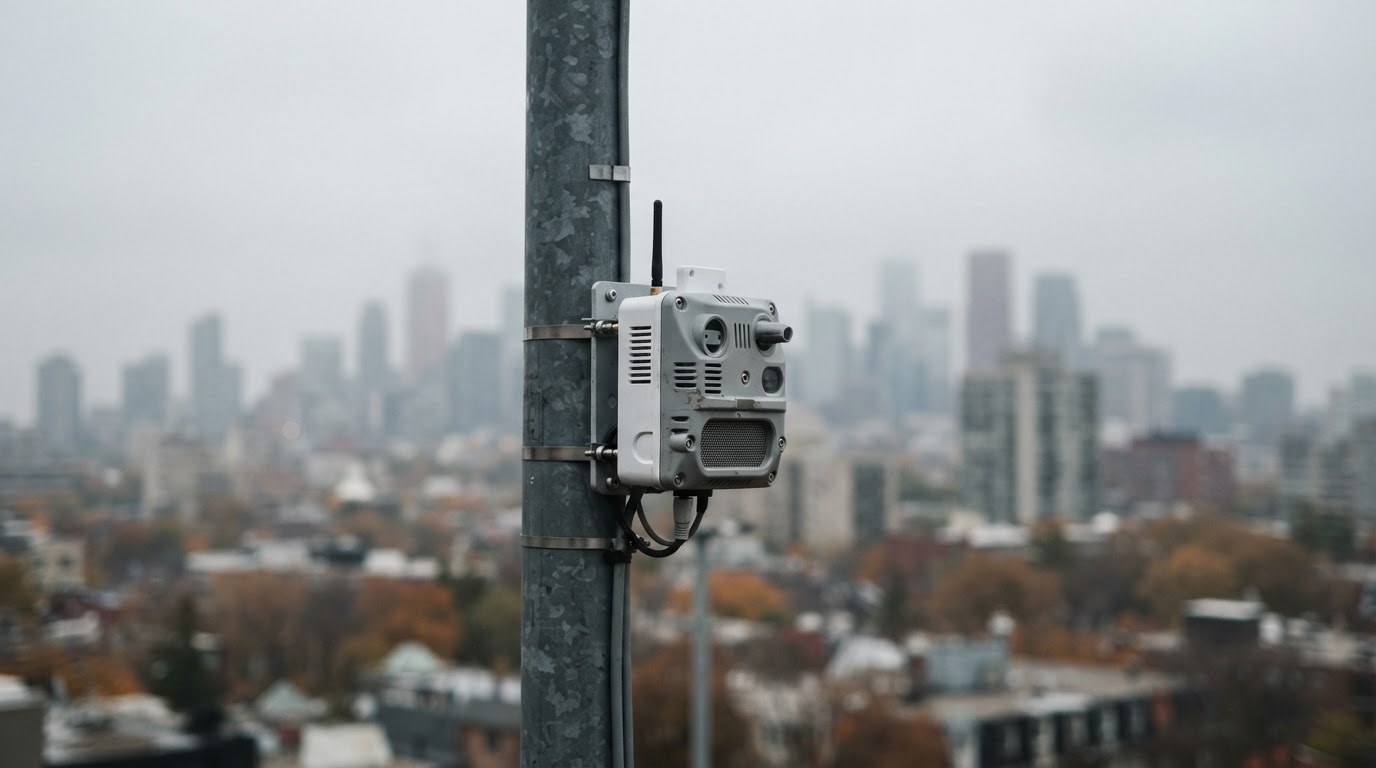
The National Committee on Ecology and Climate Change reported that the average monthly air quality in the capital improved compared to October of the previous year. The concentration of PM2.5 particles decreased by 19%, and PM10 by 37%. According to national standards, there were more days with a "green" level, while periods with "orange" and "red" levels occurred less frequently.
However, the dynamics throughout the month were inconsistent. At the beginning of October, indicators significantly exceeded those of the previous year, but in the last days, air quality deteriorated. The agency attributed this to lower temperatures, weak winds, temperature inversions, and a lack of precipitation. Such conditions slowed the dispersion of pollutants and contributed to their accumulation over the city and surrounding areas.
Laboratory analysis of 60 PM2.5 samples showed that pollutants linked to industry, transport, and fuel combustion, as well as natural dust, played roughly comparable roles in the composition of particles. Even during the deterioration at the end of the month, no sharp change in this ratio was recorded.
Separate observations by IQAir, published by Podrobno.uz, presented a less clear picture: in the mornings, the air often fell into the "orange" and "red" zones. These data cannot be directly compared with the committee's indicators, as they reflect measurements at specific times and a different calculation methodology.